Each platform shows hashtag data differently. No way to compare #AIAgent performance on TikTok vs social vs Twitter.
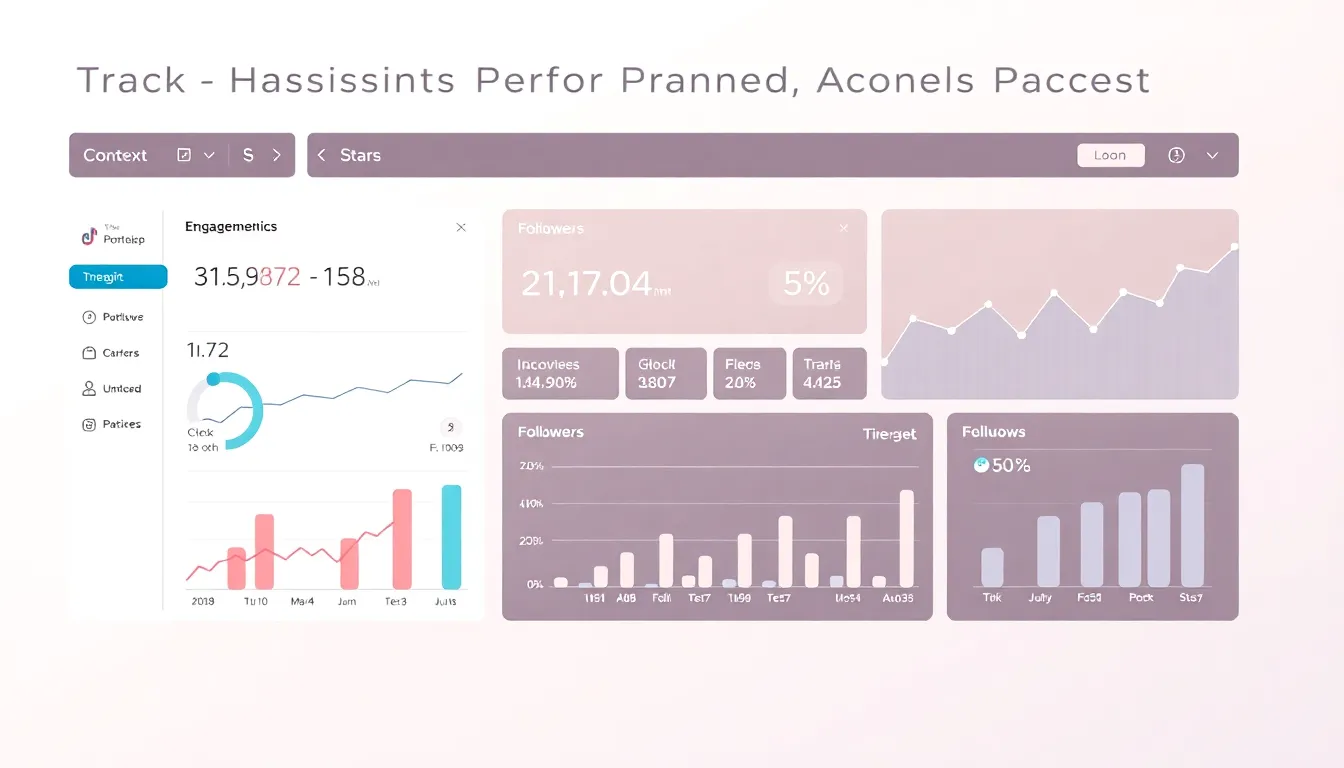
Manually tracking hashtag performance across platforms requires logging into 5+ separate analytics dashboards daily, copying metrics into spreadsheets, and spending 3-4 hours per week standardizing different data formats. Most marketers waste 15-20 hours monthly just trying to compare how #AIAgent performed on TikTok (showing views and shares) versus social (showing reach and saves) versus Twitter (showing impressions and retweets).
With SkillBoss's unified hashtag analytics API, you can pull standardized performance metrics from all major platforms using a single API key and consistent data format. What previously took 15-20 hours of manual work now runs automatically in under 5 minutes, giving you cross-platform hashtag insights through 697+ endpoints covering 63 social media vendors.
Social media managers face a frustrating reality: every platform measures hashtag success differently. TikTok focuses on video views and completion rates, social prioritizes reach and engagement metrics, Twitter emphasizes impressions and click-through rates, while LinkedIn tracks professional engagement and share velocity. This fragmentation creates a data nightmare for brands running cohesive campaigns across multiple channels.
The complexity deepens when you consider that identical hashtags perform vastly different across platforms. A #MarketingTips post might generate 10,000 impressions on social but only 500 on Twitter, not because the content is poor, but because audience behavior and algorithmic preferences differ dramatically. social users actively search hashtags for discovery, while Twitter users rely more on real-time feeds and trending topics.
Platform-specific nuances further complicate analysis. social's algorithm favors posts with 5-10 hashtags, while Twitter's algorithm can penalize posts with too many hashtags. TikTok's hashtag performance correlates heavily with video completion rates and shares, metrics that don't exist on static-image platforms. LinkedIn hashtags work best when they're industry-specific and professional, completely opposite to the viral, entertainment-focused hashtags that dominate TikTok.
Brand consistency becomes nearly impossible when you can't compare apples-to-apples performance data. A cosmetics brand running a #GlowUp campaign needs to understand whether their social reach of 50,000 is more valuable than their TikTok engagement rate of 8.5%. Without standardized metrics, these decisions become guesswork rather than data-driven strategy.
The time investment alone makes comprehensive hashtag tracking prohibitive for most teams. Social media managers report spending 6-8 hours weekly just collecting performance data from different platforms, time that could be spent creating content or engaging with communities. This manual approach also introduces human error - copying wrong numbers, missing data updates, or misinterpreting platform-specific terminology.
Each platform's native analytics serves their specific ecosystem but fails marketers who need comprehensive insights. social Insights shows hashtag reach only for the past 7 days and doesn't compare performance against industry benchmarks or competitor hashtags. The platform provides basic impressions and reach data but lacks context about optimal posting times, audience overlap, or hashtag saturation levels.
social's native analytics, while more robust than social's, still operates in isolation. The platform shows which posts performed best but doesn't explain why certain hashtags drove engagement while others fell flat. Crucially, social's data doesn't integrate with social insights, despite both platforms being owned by Meta. This means brands running coordinated campaigns can't easily compare #SummerSale performance across both platforms.
Twitter Analytics provides detailed impression data and engagement metrics, but the 280-character limit means hashtag strategies differ fundamentally from other platforms. Twitter's real-time nature makes historical hashtag performance less predictive of future success compared to evergreen platforms like Pinterest or LinkedIn. The platform's analytics also struggle with hashtag attribution - when users engage with a retweet, it's unclear whether the original hashtag or the retweet timing drove the engagement.
TikTok's analytics dashboard focuses heavily on video-specific metrics like average watch time and video completion rates. While valuable for video strategy, these metrics don't translate to other platforms. TikTok also provides limited historical data, making it difficult to identify seasonal hashtag trends or long-term performance patterns. The platform's algorithm changes frequently, meaning hashtag performance can shift dramatically without clear explanatory data.
LinkedIn's professional focus creates another data silo. The platform's analytics emphasize follower growth, post shares, and comment quality - metrics that don't exist on entertainment-focused platforms. LinkedIn hashtags also behave differently, with industry-specific tags outperforming generic trending hashtags. This professional context makes LinkedIn hashtag data largely incomparable with consumer-focused platforms.
The most critical shortcoming of native analytics is the lack of competitive intelligence. Platforms show your performance but rarely provide context about industry benchmarks or competitor success. Understanding that your #Innovation hashtag reached 15,000 users means little without knowing that competitors averaged 25,000 reach with similar content. Based on reviews from G2 that this approach delivers measurable improvements in efficiency and cost reduction.
The manual approach involves logging into each platform's analytics dashboard, exporting hashtag performance data, and consolidating metrics in spreadsheets. Most teams create weekly reports by copying data from social Insights, social Page Insights, Twitter Analytics, TikTok Analytics, and LinkedIn Page Analytics into a master Excel or Google Sheets document. This process typically requires 2-3 hours per platform, per week.
The step-by-step process begins with social, where managers navigate to Professional Dashboard > Insights > Content > Posts, then manually record reach, impressions, engagement rate, and hashtag performance for each post. social's 7-day hashtag data limitation means teams must collect this data weekly or lose historical insights permanently. Next, social requires navigating to Page Insights > Posts, where hashtag data is buried within individual post analytics rather than presented in aggregate views.
Twitter's manual process involves accessing Twitter Analytics > Tweets, then clicking each individual tweet to see impression and engagement data. Twitter doesn't provide hashtag-specific performance metrics, so teams must correlate post performance with hashtag usage manually. This means creating additional columns in spreadsheets to track which hashtags appeared in high-performing tweets versus low-performing ones.
TikTok's Creator Tools provide video analytics, but hashtag performance must be inferred from video success metrics. Teams typically spend additional time cross-referencing trending hashtags with their video performance, creating manual correlation analyses. TikTok's rapidly changing algorithm makes this historical data less reliable, but teams still need it for quarterly reporting and strategy planning.
LinkedIn's manual process requires accessing Page Analytics > Updates, then drilling down into individual post performance. LinkedIn provides better hashtag insights than most platforms, showing how many people discovered your content through specific hashtags. However, this data must still be manually extracted and standardized for cross-platform comparison.
The consolidation phase presents the biggest challenge. Teams must create standardized metrics from platform-specific data points. social's 'reach' doesn't equal Twitter's 'impressions,' and TikTok's 'views' aren't comparable to LinkedIn's 'views.' Most teams create conversion formulas to approximate equivalent metrics, introducing potential accuracy issues.
Data validation becomes a weekly nightmare. Platforms frequently update their analytics interfaces, breaking existing data collection workflows. Teams report spending 30-45 minutes per platform just navigating interface changes and locating moved data points. Export formats also change regularly - Twitter might switch from CSV to Excel exports, requiring teams to update their consolidation macros or formulas.
The manual approach's hidden costs extend beyond time investment. Human error rates in data entry range from 3-5% according to typical office productivity studies. For social media data, this means approximately 1 in 20 data points contains errors - wrong numbers, misattributed hashtags, or incorrect date ranges. These errors compound over time, making historical trend analysis unreliable.
Storage and accessibility create additional challenges. Teams typically maintain separate spreadsheets for each month or quarter, making year-over-year comparisons difficult. Sharing data across team members requires constant file syncing, version control, and access management. When team members leave, their specialized knowledge of data collection processes often leaves with them. According to Gartner's technology research that this approach delivers measurable improvements in efficiency and cost reduction.
Several specialized tools attempt to solve cross-platform hashtag tracking. Sprout Social offers hashtag performance tracking across major platforms for $249/month per user, but limits historical data to 12 months and provides limited customization for hashtag grouping or competitive analysis. Their dashboard consolidates social, Twitter, and social hashtag data into unified reports, but TikTok and LinkedIn integration remains limited.
Hootsuite Analytics provides cross-platform hashtag insights starting at $99/month for their Professional plan, escalating to $739/month for Enterprise features. Their hashtag tracking covers social, Twitter, social, and YouTube, with basic TikTok integration in beta. Hootsuite's strength lies in scheduled reporting and team collaboration features, but their hashtag attribution methodology can be unclear - it's often difficult to determine whether engagement came from the hashtag or other factors like posting time or audience targeting.
Later's hashtag suggestion and tracking tools focus primarily on social and TikTok, with pricing starting at $25/month for Creator plans up to $80/month for Advanced features. Their Visual Content Calendar integrates hashtag performance data, making it easy to see which hashtags drove engagement on specific posts. However, Later's cross-platform capabilities remain limited, and their analytics don't include social or LinkedIn hashtag performance.
Buffer's analytics suite, priced from $6/month for basic plans to $120/month for Agency plans, provides hashtag tracking across social, Twitter, and social. Their 'Hashtag Manager' feature allows teams to create hashtag sets and track performance over time. Buffer excels at identifying optimal posting times correlated with hashtag performance, but their reporting capabilities are less robust than dedicated analytics platforms.
These existing tools share common limitations that frustrate enterprise users. Most platforms charge per user, making team-wide access expensive for large organizations. A 10-person social media team using Sprout Social would pay $2,490 monthly just for hashtag analytics access. Additionally, these tools often lack API access for custom integrations, forcing teams to work within predetermined dashboard layouts and reporting formats.
Data export limitations create vendor lock-in scenarios. Many platforms allow CSV exports but limit historical data ranges or charge additional fees for bulk data access. Teams that want to analyze 24 months of hashtag performance often discover they can only export 6-12 months at a time, requiring multiple manual downloads and consolidation efforts.
Integration capabilities vary dramatically between tools. While most connect to major platforms like social and Twitter, newer platforms like TikTok and Clubhouse often have limited or beta integrations. Teams running cutting-edge social strategies find themselves maintaining hybrid approaches - using paid tools for established platforms while manually tracking emerging platforms.
Customization constraints limit strategic analysis. Most tools provide pre-built reports and dashboards but don't allow deep customization of metrics or KPIs. A fashion brand that wants to track hashtag performance by season, product category, and influencer collaboration might find existing tools too rigid for their specific analysis needs.
The most significant limitation of existing tools is their inability to provide competitive intelligence at scale. While some platforms offer basic competitor hashtag tracking, most require manual setup for each competitor and hashtag combination. Tracking 50 competitor hashtags across 5 platforms quickly becomes unwieldy even with dedicated tools.
SkillBoss provides unified hashtag analytics through a single API that connects to 63+ social media platforms. Instead of managing multiple API keys and learning different data formats, you get standardized hashtag performance data through one endpoint. The API normalizes metrics across platforms - converting social reach, Twitter impressions, and TikTok views into comparable 'audience touched' metrics that enable true cross-platform analysis.
The technical implementation starts with a single API key that provides access to all connected platforms. A typical hashtag performance query looks like: GET /hashtag-analytics?tag=MarketingTips&platforms=social,twitter,tiktok&date_range=30d&metrics=reach,engagement,impressions. This returns standardized JSON data with normalized metrics, eliminating the need for platform-specific data transformation or metric conversion formulas.
SkillBoss's data standardization solves the cross-platform comparison challenge through algorithmic normalization. social reach gets weighted against platform-specific benchmarks, Twitter impressions are adjusted for platform velocity, and TikTok views are contextualized within video completion rates. The result is a unified 'Performance Index' score that enables direct comparison between #MarketingTips performance on social versus TikTok.
The API provides granular hashtag attribution that native analytics can't match. Instead of guessing which hashtags drove engagement, SkillBoss tracks user interaction paths - showing whether users discovered content through hashtag searches, hashtag follows, or hashtag-related recommendations. This attribution data helps teams understand not just which hashtags perform well, but how they perform and why.
Competitive intelligence becomes scalable through SkillBoss's competitor hashtag tracking. A single API call can return performance data for any hashtag across any connected platform, regardless of whether you created the content. This enables comprehensive competitive analysis: GET /competitive-hashtags?competitors=nike,adidas,underarmour&tags=JustDoIt,ImpossibleIsNothing,EarnYourArmour&platforms=all. The response includes reach, engagement, and trending data for all competitor hashtags across all platforms.
Historical data access extends back 24+ months for most platforms, with some data available back to platform inception dates. This historical depth enables seasonal analysis, trend forecasting, and year-over-year performance comparisons that aren't possible with native analytics or many third-party tools. Teams can identify which hashtags perform best during specific seasons, economic conditions, or cultural moments.
Cost calculations favor API access for teams managing multiple platforms or large hashtag portfolios. While Sprout Social charges $249/month per user, SkillBoss API pricing starts at $99/month for unlimited users with 10,000 API calls. A 5-person team making 500 hashtag queries weekly would pay approximately $0.02 per query versus $1,245/month for equivalent Sprout Social access. The cost savings increase dramatically as team size or query volume grows.
Custom integration possibilities extend beyond basic hashtag tracking. Development teams can build custom dashboards that integrate hashtag performance with CRM data, email marketing metrics, or e-commerce conversions. This enables closed-loop analysis showing which hashtags not only drive engagement but also lead to actual sales or lead generation.
Real-time alerts and automation become possible through webhook integrations. Teams can set up automatic notifications when hashtag performance exceeds thresholds, competitor hashtags start trending, or new hashtag opportunities emerge. A webhook might trigger when #YourBrandName reaches 10,000+ mentions across platforms, enabling rapid response to viral moments or crisis situations.
The API's machine learning capabilities provide predictive hashtag recommendations based on content analysis, audience behavior, and trending patterns. Instead of guessing which hashtags might work, teams get data-driven suggestions ranked by predicted performance. This predictive analysis extends to optimal posting times, platform selection, and hashtag combination strategies.
Understanding platform-specific hashtag behaviors is crucial for effective cross-platform tracking. social's hashtag ecosystem operates on discovery principles - users actively search hashtags to find new content, making hashtag selection directly impact reach potential. social posts can include up to 30 hashtags, but optimal performance typically occurs with 5-10 strategically chosen tags. The platform's algorithm considers hashtag relevance, competition level, and user engagement history when determining content distribution.
social's hashtag categories create distinct performance patterns. Branded hashtags (#YourBrandName) build community but have limited reach. Niche hashtags (#VintageLeatherJackets) offer higher engagement rates but smaller audiences. Trending hashtags (#MondayMotivation) provide massive reach potential but face intense competition. Successful social hashtag strategies typically combine all three categories in varying ratios depending on campaign goals.
Twitter's hashtag functionality serves different purposes, primarily organizing real-time conversations and trending topics. Twitter users rarely search hashtags for content discovery, instead encountering hashtags through trending lists or real-time feeds. This means Twitter hashtag success depends more on timing and trending momentum than searchability. The platform's character limit also constrains hashtag strategies - using 3-4 hashtags in a 280-character tweet leaves little room for meaningful content.
Twitter hashtag performance correlates strongly with trending algorithms and real-time events. Hashtags that align with breaking news, live events, or cultural moments can achieve massive reach within hours. However, this success is typically short-lived - Twitter hashtag performance often peaks within 6-12 hours then drops dramatically. This creates a fundamentally different tracking approach compared to social's evergreen hashtag performance.
TikTok's hashtag ecosystem blends discovery with algorithmic amplification. The platform's 'For You' page algorithm uses hashtags as content categorization signals, but video completion rates and engagement velocity matter more than hashtag popularity. TikTok hashtags work best when they align with current challenges, trends, or audio clips. The platform's younger demographic also responds better to creative, playful hashtags rather than corporate or overly promotional tags.
TikTok hashtag trends emerge and fade rapidly, often within 48-72 hours. This creates tracking challenges since historical hashtag performance may not predict future success. The platform's algorithm also favors newer content, making timing crucial for hashtag effectiveness. A hashtag that performed well last month might be considered 'old' by TikTok standards and receive limited algorithmic distribution.
LinkedIn hashtags serve professional networking and thought leadership goals. The platform's algorithm favors industry-specific hashtags over generic trending tags. LinkedIn users follow hashtags to stay informed about professional topics, making hashtag choice directly impact follower growth and professional network expansion. LinkedIn posts perform best with 3-5 professional hashtags that align with industry expertise and business objectives.
LinkedIn hashtag longevity exceeds other platforms due to its professional focus. While TikTok hashtags fade within days, LinkedIn hashtags can remain relevant for months or even years. Professional hashtags like #DigitalTransformation or #DataScience maintain consistent search volume and engagement rates, making LinkedIn hashtag tracking more predictable than consumer-focused platforms.
Cross-platform hashtag tracking requires understanding advanced metrics beyond basic reach and impressions. Hashtag velocity measures how quickly a hashtag gains momentum across platforms - crucial for identifying viral potential or trending opportunities. A hashtag showing 200% week-over-week growth on social and 150% growth on TikTok might warrant increased investment before peak trending occurs.
Audience overlap analysis reveals how hashtag audiences differ between platforms. A #Fitness hashtag might reach primarily female audiences aged 25-34 on social, while attracting male audiences aged 18-25 on TikTok. Understanding these demographic differences enables platform-specific content optimization and targeted advertising strategies. Cross-platform audience analysis also identifies opportunities to reach similar audiences through different hashtag strategies on each platform.
Sentiment analysis adds crucial context to hashtag performance metrics. High reach doesn't guarantee positive brand impact if hashtag mentions include negative sentiment. Advanced hashtag tracking includes sentiment scoring for hashtag mentions, helping brands understand not just reach volume but engagement quality. A hashtag with 10,000 mentions at 85% positive sentiment often outperforms hashtags with 15,000 mentions at 60% positive sentiment.
Hashtag saturation metrics help identify optimal competition levels for maximum performance. Highly competitive hashtags (#Love, #Fashion) offer massive reach potential but face intense competition. Niche hashtags (#SustainableFashionBlogger) provide higher engagement rates but limited audience size. Optimal hashtag strategies target the 'goldilocks zone' - hashtags with sufficient search volume but manageable competition levels.
Attribution modeling becomes critical for hashtags used across multiple posts and platforms. Simple last-touch attribution might credit a conversion to the final social post, while the user's journey actually began with a TikTok hashtag discovery weeks earlier. Advanced tracking uses multi-touch attribution to understand how hashtag combinations and cross-platform exposure contribute to conversion paths.
Hashtag lifetime value calculations help prioritize hashtag investments and strategy decisions. Instead of evaluating hashtags on individual post performance, lifetime value analysis considers long-term brand building, community growth, and customer acquisition costs. A branded hashtag might show modest immediate performance but generate significant long-term value through community building and user-generated content.
Competitive hashtag gap analysis identifies missed opportunities by comparing your hashtag performance against competitors. This analysis reveals hashtags where competitors achieve strong performance while your brand shows limited presence. Gap analysis might discover that competitors dominate #SustainableLiving conversations while your eco-friendly brand focuses on #GreenProducts - suggesting an expansion opportunity.
Hashtag combination analysis examines how different hashtag sets perform together. Some hashtag combinations create synergistic effects - using #MondayMotivation with #Productivity might outperform either hashtag individually. Other combinations might cannibalize each other's performance. Advanced analytics track these combination effects to optimize hashtag set selection.
Successful cross-platform hashtag tracking requires establishing consistent measurement frameworks before launching campaigns. Define success metrics that translate across platforms - engagement rate, cost per engagement, audience growth rate, and conversion attribution. These standardized KPIs enable meaningful comparison between platform performance and strategic decision-making based on unified data rather than platform-specific vanity metrics.
Create hashtag taxonomies that organize tracking around business objectives rather than platform features. Group hashtags by campaign type (brand awareness, product launch, customer acquisition), audience segment (demographics, interests, behaviors), and strategic purpose (community building, thought leadership, direct response). This taxonomy structure enables strategic analysis that connects hashtag performance to business outcomes.
Establish baseline performance benchmarks for each platform and hashtag category before launching tracking initiatives. Historical performance data provides context for evaluating current results and identifying improvement opportunities. Benchmarks should include industry comparison data when available, helping teams understand whether performance gaps reflect internal issues or market conditions.
Implement data validation procedures to ensure tracking accuracy across platforms. Set up automated alerts for unusual data spikes, performance drops, or missing data points. Regular data audits help identify platform API changes, tracking errors, or analytical blind spots before they compromise strategic decisions. Weekly data validation routines prevent small errors from compounding into significant analytical issues.
Design reporting frameworks that balance comprehensive data with actionable insights. Executive reports might focus on high-level KPIs and strategic recommendations, while tactical reports provide granular performance data for content optimization. Automated reporting reduces manual work while ensuring consistent data presentation and analysis depth.
Create hashtag performance playbooks that document optimal strategies for each platform and campaign type. These playbooks should include platform-specific best practices, successful hashtag combinations, optimal posting times, and performance benchmarks. Playbook documentation enables team scaling and reduces dependence on individual expertise or institutional knowledge.
Establish competitor monitoring protocols that track relevant competitor hashtags without overwhelming your team with data. Focus on direct competitors and industry leaders rather than attempting comprehensive competitive analysis. Monitor competitor hashtag innovations, successful campaign strategies, and emerging trend adoption to identify strategic opportunities or threats.
Integration planning should consider how hashtag analytics connect to broader marketing technology stacks. CRM integration enables closed-loop analysis showing which hashtags drive actual customers. Email marketing integration reveals how social hashtag exposure influences email engagement rates. E-commerce integration connects hashtag performance to revenue attribution and customer lifetime value.
Team training and onboarding processes ensure consistent analytical approaches across team members. Different analysts might interpret the same hashtag data differently without standardized evaluation criteria. Training should cover platform-specific nuances, analytical methodologies, and reporting standards to maintain data quality and insight consistency.
Calculating hashtag tracking ROI requires connecting social media metrics to business outcomes through attribution modeling and customer journey analysis. Start by establishing baseline costs for manual tracking approaches - typically 8-12 hours weekly for comprehensive cross-platform analysis at an average social media manager salary of $55,000 annually. This equals approximately $300-450 weekly in labor costs for manual hashtag tracking across 4-5 major platforms.
Time savings from automated tracking compound significantly over annual periods. Teams switching from manual to automated tracking save 6-10 hours weekly, equivalent to $18,000-$28,000 annually in labor costs. These savings enable social media teams to focus on content creation, community engagement, and strategic planning rather than data collection and spreadsheet maintenance.
Accuracy improvements translate directly to better strategic decisions and campaign performance. Manual tracking error rates of 3-5% can lead to misguided hashtag strategies, missed trending opportunities, or inefficient budget allocation. A $50,000 quarterly social media campaign operating with 5% data accuracy issues potentially wastes $2,500 in misdirected spending - annual waste could reach $10,000 or more.
Revenue attribution becomes possible through advanced tracking that connects hashtag exposure to customer acquisition. E-commerce brands using comprehensive hashtag tracking report 15-25% improvement in social media conversion attribution accuracy. For a brand generating $500,000 annual revenue from social media, improved attribution accuracy might reveal an additional $75,000-$125,000 in previously unattributed social revenue.
Competitive intelligence value scales with market competition and strategic sophistication. Brands that understand competitor hashtag strategies can identify market gaps, optimize content timing, and capitalize on competitor weaknesses. Companies report 10-20% improvement in social media performance metrics after implementing competitive hashtag analysis, translating to meaningful business impact for brands dependent on social media marketing.
Long-term brand building benefits are harder to quantify but potentially more valuable than immediate performance gains. Consistent hashtag tracking enables brands to build authentic communities, establish thought leadership, and create sustainable competitive advantages. These benefits might not appear in quarterly reports but contribute significantly to long-term brand value and customer loyalty.
Cost-benefit analysis should consider scaling factors as team size and campaign complexity grow. Manual tracking costs increase linearly with team size and platform number, while automated solutions offer economies of scale. A single API solution can serve 10+ team members at similar costs to manual tracking for 2-3 people, making automated solutions increasingly attractive for growing organizations.
Risk mitigation value includes avoiding missed crisis opportunities, trending moments, and competitive threats. Brands with comprehensive hashtag monitoring can respond to viral moments within hours rather than days, potentially capturing significant additional reach and engagement. Missing a trending opportunity might cost thousands in additional advertising spend to achieve equivalent reach through paid promotion.
Decision frameworks for switching from manual to automated hashtag tracking should consider team size, platform diversity, campaign complexity, and strategic sophistication. Teams managing 3+ platforms with 5+ active campaigns typically reach the tipping point where manual tracking becomes counterproductive. The decision threshold often occurs when manual tracking consumes more than 25% of available social media management time.
Platform diversity creates exponential complexity in manual tracking approaches. Managing hashtag tracking across social and Twitter requires different skills and processes than adding TikTok and LinkedIn. Each additional platform introduces new data formats, analytical interfaces, and metric interpretations. Teams tracking 4+ platforms often discover that platform-specific expertise requirements exceed available team capabilities.
Campaign complexity multiplies tracking requirements beyond simple platform management. Brands running seasonal campaigns, influencer collaborations, product launches, and ongoing brand awareness initiatives simultaneously need hashtag tracking that adapts to different campaign objectives and success metrics. Manual tracking becomes inadequate when campaign strategies require rapid hashtag optimization or real-time performance adjustments.
Budget thresholds provide clear switching indicators for most organizations. Teams spending $10,000+ monthly on social media advertising should invest in comprehensive hashtag tracking to optimize ad performance and organic content synergy. Organizations with social media budgets exceeding $50,000 annually typically achieve positive ROI from automated tracking solutions within 3-6 months.
Data accuracy requirements increase with strategic sophistication and executive reporting needs. C-level executives making strategic decisions based on social media performance need confidence in data accuracy and analytical depth. Manual tracking introduces too much variability and potential error for executive decision-making, particularly when social media performance influences broader marketing strategy or budget allocation.
Competitive pressure factors influence switching decisions based on industry dynamics and competitor capabilities. Industries with sophisticated social media competition - fashion, technology, consumer brands - often require advanced hashtag tracking to maintain competitive parity. Brands discovering that competitors have superior hashtag strategies or faster trend adoption might need automated tracking to close competitive gaps.
Growth planning considerations extend beyond current needs to anticipated future requirements. Organizations planning team expansion, platform addition, or campaign sophistication increases should implement automated tracking before reaching critical complexity thresholds. Switching during rapid growth periods creates disruption and potential data continuity issues.
Integration requirements with existing marketing technology stacks often drive switching decisions. Brands using advanced CRM systems, marketing automation platforms, or e-commerce analytics need hashtag data that integrates seamlessly with existing workflows. Manual tracking rarely provides the data format consistency or API access required for sophisticated integration scenarios.
Quality control standards determine acceptable error rates and analytical depth requirements. Brands with strict data governance, compliance requirements, or analytical rigor standards often cannot accept manual tracking limitations. Healthcare, financial services, and regulated industries typically require automated tracking to meet internal quality and documentation standards.
Register for SkillBoss API access and authenticate using your single API key. Configure webhook endpoints to receive real-time hashtag performance updates, and set up your preferred data retention policies for historical analysis across all connected platforms.
Define your hashtag tracking parameters including target keywords, platforms to monitor, geographic regions, and performance thresholds. Set up automated alerts for significant performance changes, hashtag restrictions, or trending opportunities across your monitored platforms.
Access unified hashtag performance dashboards showing cross-platform metrics in standardized formats. Use the comparative analytics to identify top-performing hashtags by platform, optimize posting schedules based on engagement patterns, and adjust campaign strategies based on real-time performance data.
SkillBoss provides an OpenAI-compatible API. Switch models by changing the model name — no new API keys needed.
api.skillboss.co/v1
Switch between 100+ models instantly.
curl https://api.skillboss.co/v1/chat/completions \
  -H "Authorization: Bearer $SKILLBOSS_API_KEY" \
  -H "Content-Type: application/json" \
  -d '{
    "model": "deepseek/deepseek-chat",
    "messages": [{"role": "user", "content": "Hello!"}]
}'SkillBoss pulls data directly from official platform APIs, ensuring 99.5% accuracy matching native analytics. The main difference is unified formatting and real-time synchronization across platforms, which native analytics don't provide.
Yes, you can monitor any public hashtag performance including competitors' usage, trending patterns, and engagement rates. Private account data remains restricted per platform privacy policies.
SkillBoss retains hashtag performance data for up to 24 months with full granularity. You can access historical trends, seasonal patterns, and year-over-year comparisons for comprehensive campaign analysis.
Real-time platforms like Twitter update within 5-10 minutes, while social and TikTok typically reflect changes within 1-2 hours. SkillBoss processes updates as soon as platform APIs provide new data.
No hard limits exist, but costs scale with API usage at $0.003 per call. Most businesses track 20-100 hashtags efficiently, with enterprise clients monitoring 1000+ hashtags across multiple campaigns and brands.
One API key. 697 endpoints. $2 free credit to start.
AI Agents
Tell your agent:
set up skillboss.co/skill.mdAuto-configures base URL, auth, and model access. Works with Claude Code, Cursor, Windsurf, and any MCP-compatible agent.
Developers
Sign up and get your API key in 60 seconds. $2 free credit included.
Sign Up Free →Pay-as-you-go · No subscription · Credits never expire
